

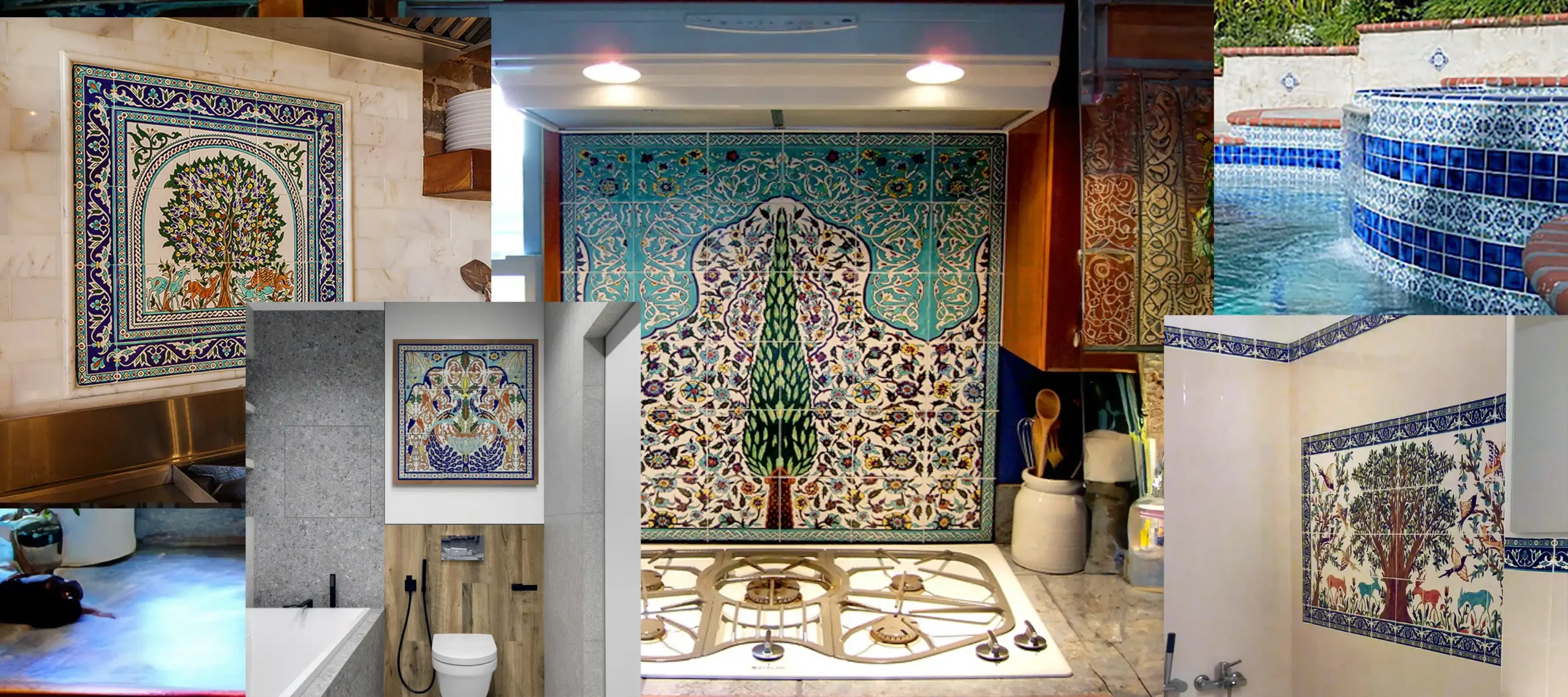

The Ultimate Guide to Painted Bathroom Tile Ideas
March 10, 2026
Master Bathroom with a Walk-In Shower: Elegant Tile Design Ideas
March 17, 2026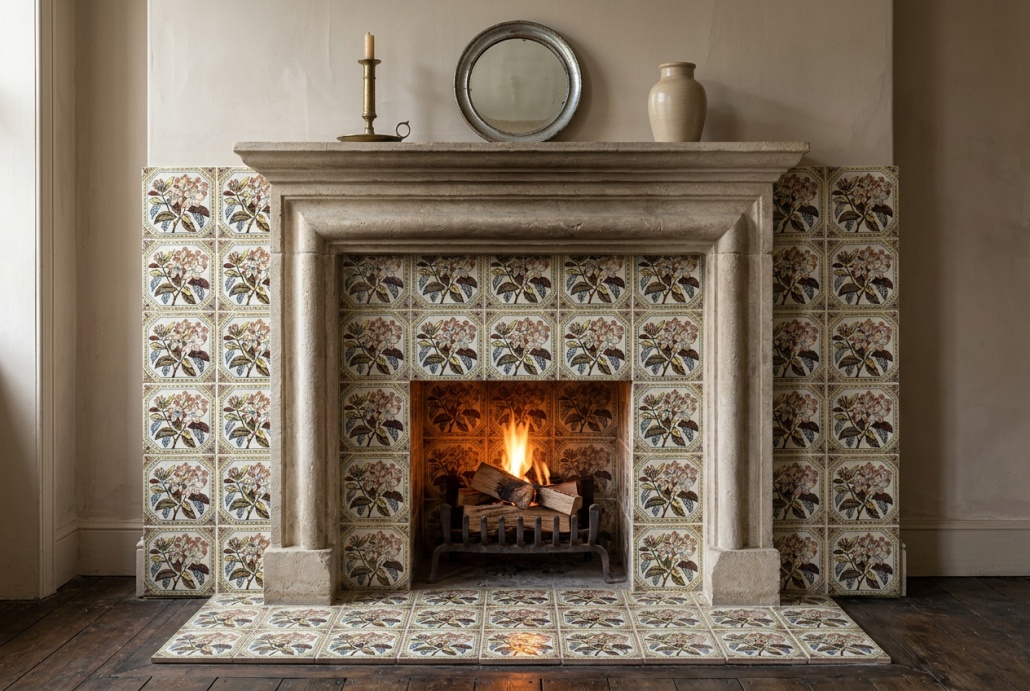
The Complete Guide to Antique Fireplace Tiles & Historic Tile Style
Antique fireplace tiles continue to define elegant interiors across generations. Whether installed in Victorian townhouses, Arts & Crafts homes, or contemporary renovations, antique fireplace tile designs offer something modern materials often lack: depth, craftsmanship, and story.
Historic tile surrounds are not simply decorative surfaces. They are architectural features that frame the hearth, anchor a room, and carry cultural and artistic significance. Designers and homeowners consistently return to antique fireplace tiles because they combine durability, artistic detail, and timeless appeal in a way few materials can replicate.
This complete guide explores what makes antique fireplace tiles unique, how to identify authentic historic tile, restoration techniques, design ideas, and how artisan brands such as Armenian Ceramics continue this historic tradition.
What Makes Antique Fireplace Tiles Unique and Timeless
Craftsmanship and Detail
Antique fireplace tiles were typically made using hand-pressing, hand-painting, and kiln-firing methods that emphasized precision and artistry. Even tiles produced in larger quantities during the late 19th century maintained a level of detail rarely seen in modern mass manufacturing.
Relief patterns, hand-applied glazes, and layered color techniques created depth and subtle variation. No two tiles were perfectly identical, which gave fireplaces a natural, organic quality.
Story and Historical Context
Historic tile often reflects the artistic movements and social values of its time. Victorian tiles may include botanical motifs symbolizing prosperity. Arts & Crafts tiles often highlight craftsmanship and nature. Art Deco tiles embrace geometry and modernity.
When installed in a fireplace surround, these tiles become a preserved fragment of design history.
Aesthetic Balance
Antique fireplace tiles feel grounded. Their earthy tones, muted glazes, and intricate yet balanced motifs complement both traditional and modern interiors. Unlike trend-driven materials, historic tile styles do not feel dated. They feel established.
What Are Antique Fireplace Tiles?
Antique fireplace tiles are decorative ceramic, encaustic, or glazed clay tiles originally produced in the 19th or early 20th centuries for use in hearths and fireplace surrounds. Many were created during the Victorian era and continued through the Arts & Crafts, Art Nouveau, and Art Deco periods.
Typical Materials
- Glazed ceramic
- Encaustic tile (where the pattern is created with inlaid clay of different colors)
- Hand-painted glazed clay
- Early porcelain compositions
How They Differ from Modern Tiles
Modern tiles are often machine-printed or digitally glazed. Antique tiles were frequently hand-decorated or pressed in carved molds. The glaze chemistry and kiln methods created softer color transitions and natural surface variations.
Additionally, historic tiles were designed to work as full fireplace panels, not just isolated decorative accents.
A Brief History of Fireplace Tiles
Victorian Era & Arts & Crafts Movement
The Victorian era saw an explosion of decorative fireplace tile production. Factories in England and the United States produced ornate botanical panels, pastoral scenes, and intricate geometric frames.
The Arts & Crafts movement reacted against industrialization by promoting handcrafted design. Tiles from this period often feature:
- Stylized flowers and foliage
- Medieval-inspired motifs
- Earth-toned glazes
- Hand-carved relief surfaces
Mass production increased during this period, but many workshops maintained artisanal quality standards.
Art Nouveau & Art Deco Periods
Flowing, organic shapes influenced by nature were presented by Art Nouveau. Fireplace tiles from this era often include:
- Curved lines
- Floral vines
- Whiplash motifs
- Soft pastel or iridescent glazes
Art Deco shifted toward geometry and bold symmetry. Tiles featured:
- Angular shapes
- Sunburst patterns
- High-contrast color combinations
- Strong linear borders
Both movements left a lasting impact on antique fireplace tile design.
20th-Century Historic Tile Traditions
Different regions developed distinct styles:
- Europe: Strong Victorian and Art Nouveau influences, encaustic heritage, and deep jewel-toned glazes.
- United States: Arts & Crafts and Prairie-style tiles emphasizing simplicity and craftsmanship.
- Middle East: Hand-painted ceramic traditions featuring floral, geometric, and narrative motifs.
These regional variations continue to inspire both antique collectors and modern tile artisans.
Common Styles & Motifs in Antique Fireplace Tiles
Floral and Nature Patterns
Botanical motifs symbolize growth and warmth. Leaves, lilies, roses, and vines were common in Victorian and Arts & Crafts tiles.
Geometric Shapes
Repetitive borders, tessellated patterns, and framing panels provided structure and visual rhythm.
Heraldic and Storytelling Panels
Some antique fireplace tile sets included central narrative tiles depicting landscapes, animals, or symbolic emblems.
Earth Tones and Classic Glazes
Deep greens, cobalt blues, ochre, brown, and muted cream tones were common. Glazes often developed a natural patina over time.
Materials & Techniques Used in Historic Tile
Glazed Ceramic vs Encaustic Tiles
Glazed ceramic tiles are coated with a glass-like finish that provides color and shine.
Encaustic tiles contain colored clay inlays that form patterns throughout the body of the tile, making them highly durable.
Hand-Painted Tiles
Artisans painted motifs before firing, allowing glaze to fuse permanently into the surface.
Relief and Embossed Textures
Pressed molds created raised designs, adding depth and shadow.
Historic Firing Methods
Coal and wood-fired kilns produced subtle glaze variations and tonal shifts. These slight inconsistencies are part of what makes antique fireplace tiles visually rich.
How to Identify Authentic Antique Fireplace Tiles
Signs of Age
- Glaze crazing (fine crackling)
- Surface patina
- Slight wear on raised areas
- Natural color fading
Maker’s Marks
Many manufacturers stamped the back of tiles with brand marks or catalog numbers.
Regional Characteristics
Tile thickness, clay composition, and glaze color can indicate origin.
Antique vs. Antique-Style Reproduction
Reproductions may imitate historic patterns but lack authentic age characteristics, firing marks, or period stamps. (If you need period tiles remade faithfully — a discontinued line or a damaged original — our discontinued tile reproduction service matches pattern, size and fired glaze color from a sample.)
Restoring and Reusing Antique Fireplace Tile
Cleaning Old Tiles Safely
Use gentle soap and warm water. Avoid acidic cleaners that may damage aged glaze. Soft brushes help preserve patina.
Repairing Chips and Cracks
Professional restoration may involve:
- Color-matched fillers
- Glaze touch-ups
- Structural backing repairs
Reinstalling in Modern Interiors
Choose grout colors that complement aged glaze. Layout planning is essential when combining reclaimed tiles with new pieces.
Design Ideas with Antique Fireplace Tiles
- Full Victorian surround with decorative borders
- Mixed tile panels featuring art motifs
- Combining antique tiles with contemporary mantel designs
- Using restored panels as a feature wall
Antique fireplace tile can anchor both traditional and modern interiors.
Historic Tile Traditions That Still Influence Today’s Hand-Painted Work
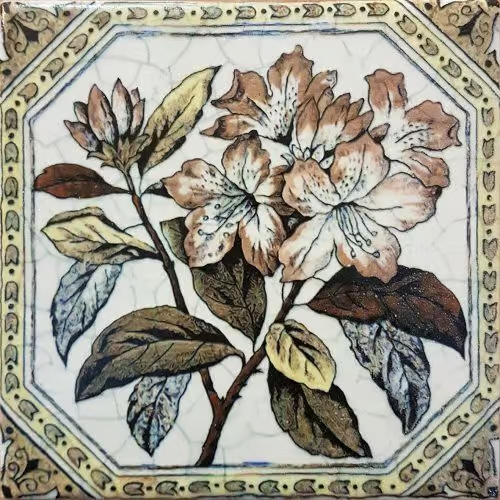
Armenian ceramic work is part of a broader history of decorative tilemaking that spans Europe, the United States, and the Middle East. Many of the same techniques that made antique fireplace tiles visually rich, such as layered glazing, hand-painted detailing, and border-based framing, are still used by contemporary craft studios.
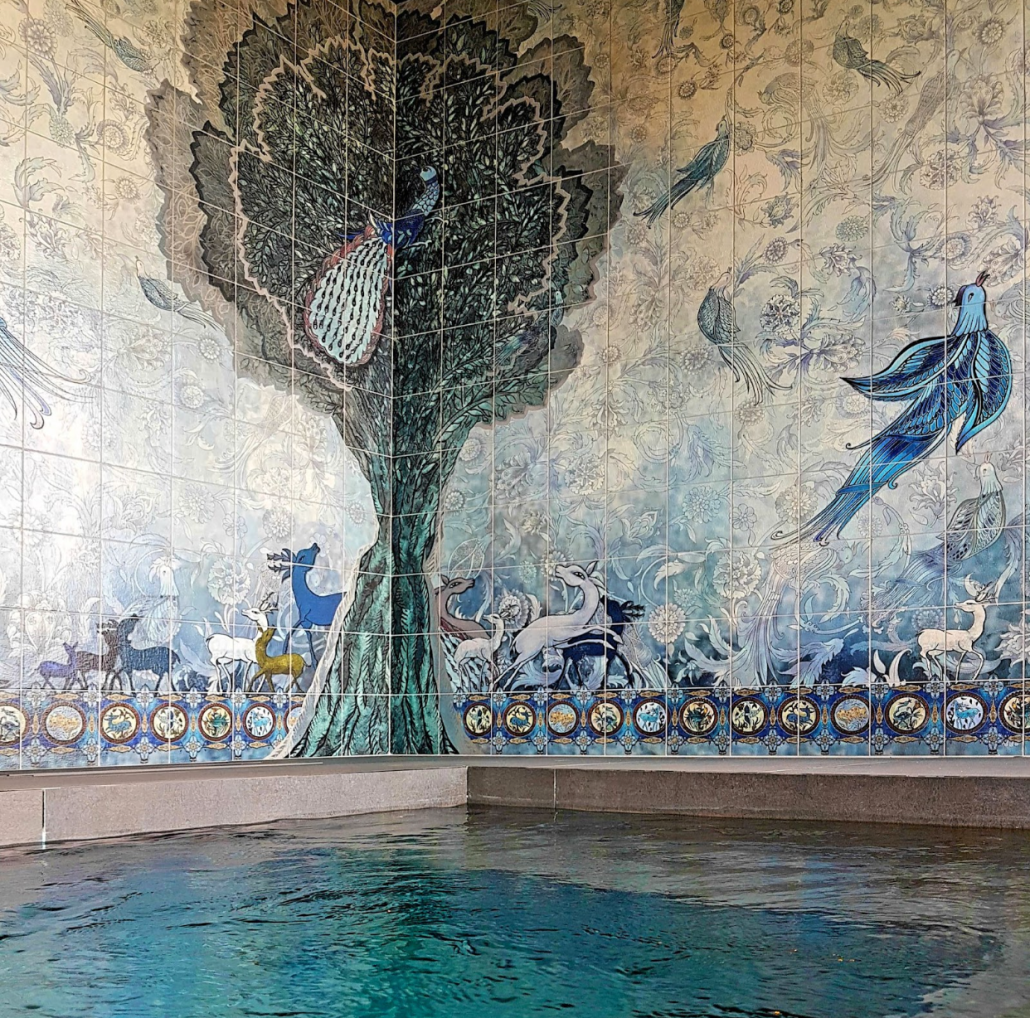
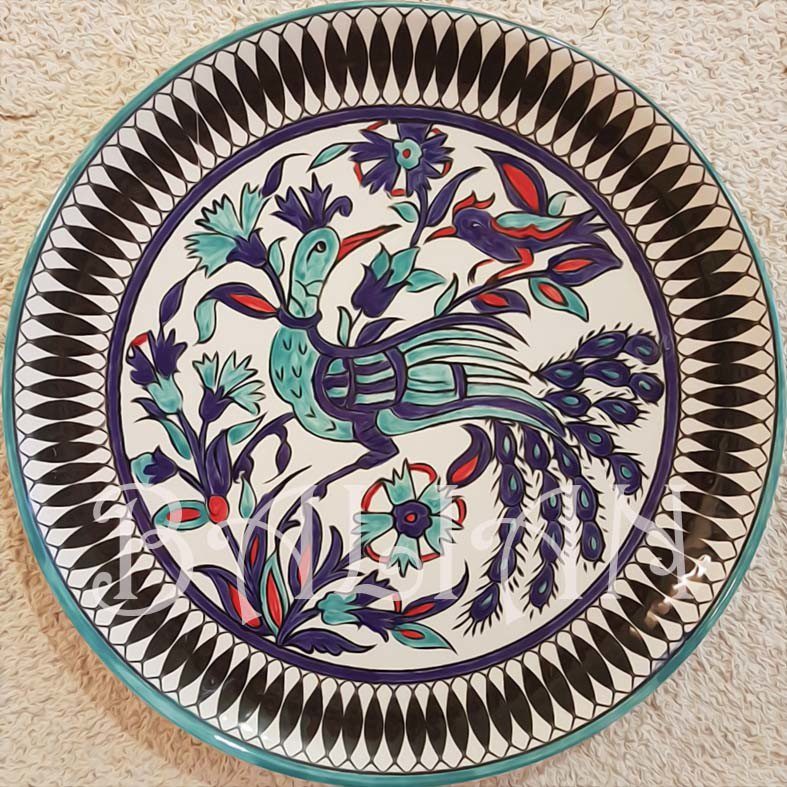
For example, Balian Ceramics carries forward hand-painted techniques that echo historic tile craftsmanship. Common elements include stylized florals, geometric border frames, storytelling panels, and deep blue or earthy glaze palettes.
In design terms, artisan-made tiles like these can be useful when:
- A full antique set is unavailable or incomplete
- You want to keep a historic “panel and border” layout, but need compatible filler or center pieces
- You want a surround that references historic tile style without copying it exactly
Examples of how designers use this approach:
- Pair reclaimed Victorian border tiles with hand-painted center tiles to create a balanced surround.
- Combine restored antique panels with new handcrafted accents for a layered look.
- Use artisan tiles as corner details or framing strips when matching antique tiles is difficult.
This kind of mix keeps the overall fireplace design historically grounded while allowing flexibility in layout, color balance, and availability.
Pros & Cons of Using Historic Tiles
Pros
- Rich artistic detail and heritage
- High durability when properly maintained
- Unique focal point in interior design
Cons
- Can be rare and expensive
- Restoration may require expertise
- Matching original tiles can be difficult
Antique fireplace tiles remain popular because they combine artistry, craftsmanship, and historical depth. They add character, warmth, and architectural presence to any fireplace surround.
Preserving historic tile work protects design heritage while enhancing interior value. Homeowners can create timeless and unique fireplace designs by either recovering genuine ancient fireplace tile or combining recovered pieces with artisan ceramics like Balian Ceramics.
Historic tile is not simply decoration. It is craftsmanship that has endured for generations and continues to inspire today.
Frequently Asked Questions
- Are antique fireplace tiles heat-safe?
Most historic ceramic tiles are heat-resistant when properly installed on fireplace surrounds. Always verify compatibility for high-heat zones.
- Can you mix reclaimed tiles with new tiles?
Yes. Many designers combine antique fireplace tiles with artisan-made tiles to complete a surround.
- How do you date a historic tile?
Check for maker’s marks, study glaze style, analyze motif trends, and consult antique tile references.