
Artistic Hand Painted Tiles, Decorative Tiles,Tile Murals & Waterline Swimming Pool Tiles
Balian Decorative Hand Painted Tiles & Pottery Studio of Jerusalem
Since 1922
A world renowned hand painted tiles & tile and tile mural studio.
The Artistic Tile Paintings & Tile Art of the Artist and a Master Potter.
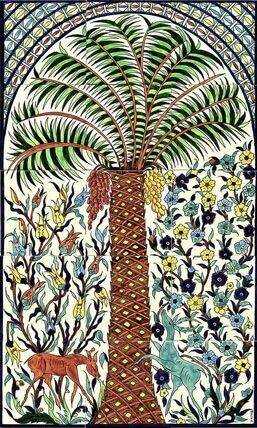
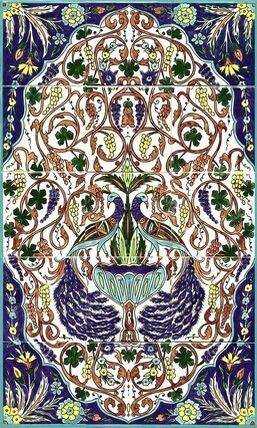
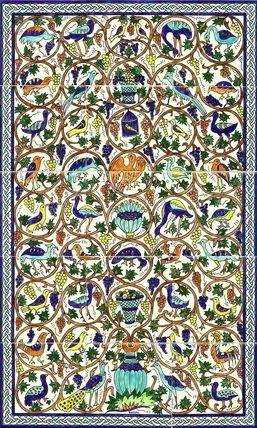


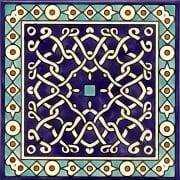
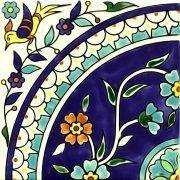
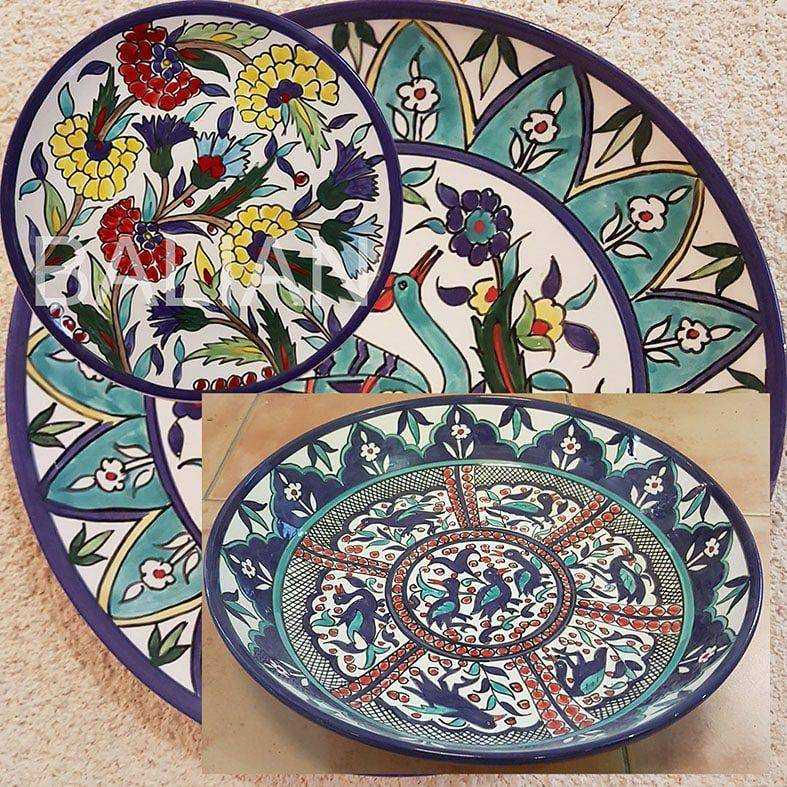
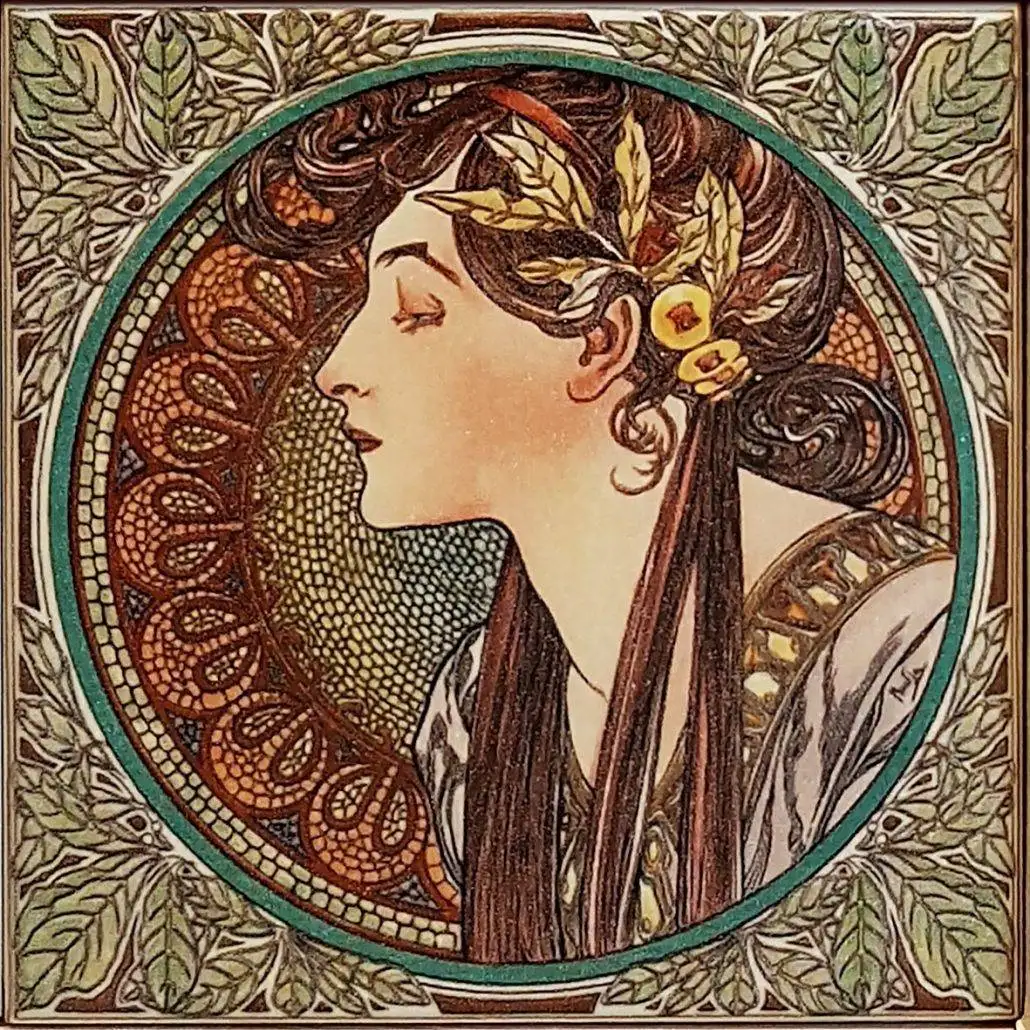
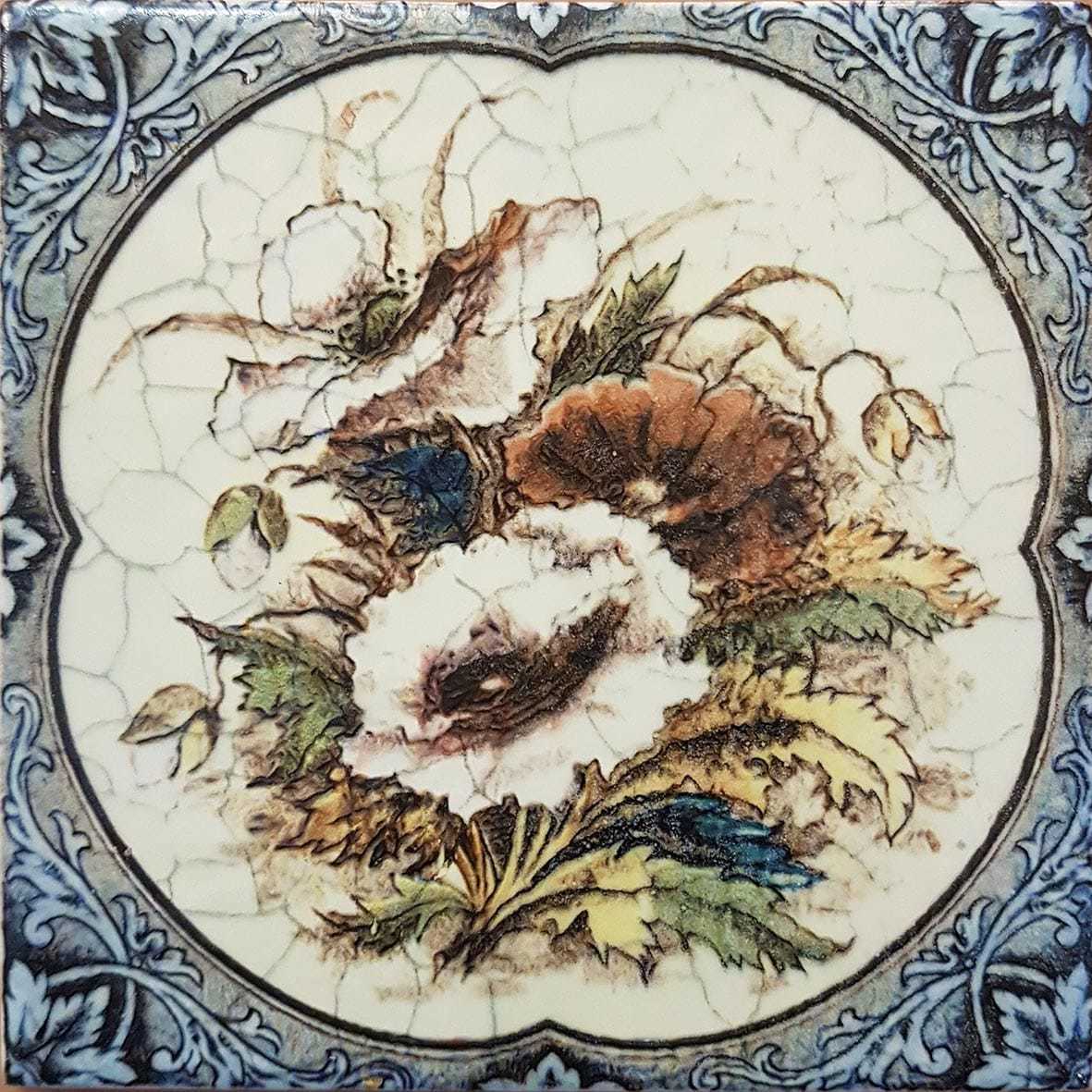

Discover exquisite hand-painted tiles, decorative tiles, tile murals, and painted tiles at Balian Hand Painted Tiles. Elevate your space with high-quality and unique tile designs meticulously crafted by skilled artisans using age-old techniques.
Our hand-painted tiles are a testament to precision and care, ensuring each piece is a one-of-a-kind masterpiece. Whether you’re revamping your kitchen backsplash, creating a striking accent wall, or designing a bespoke pool, our tiles promise to captivate with a burst of color and individuality.
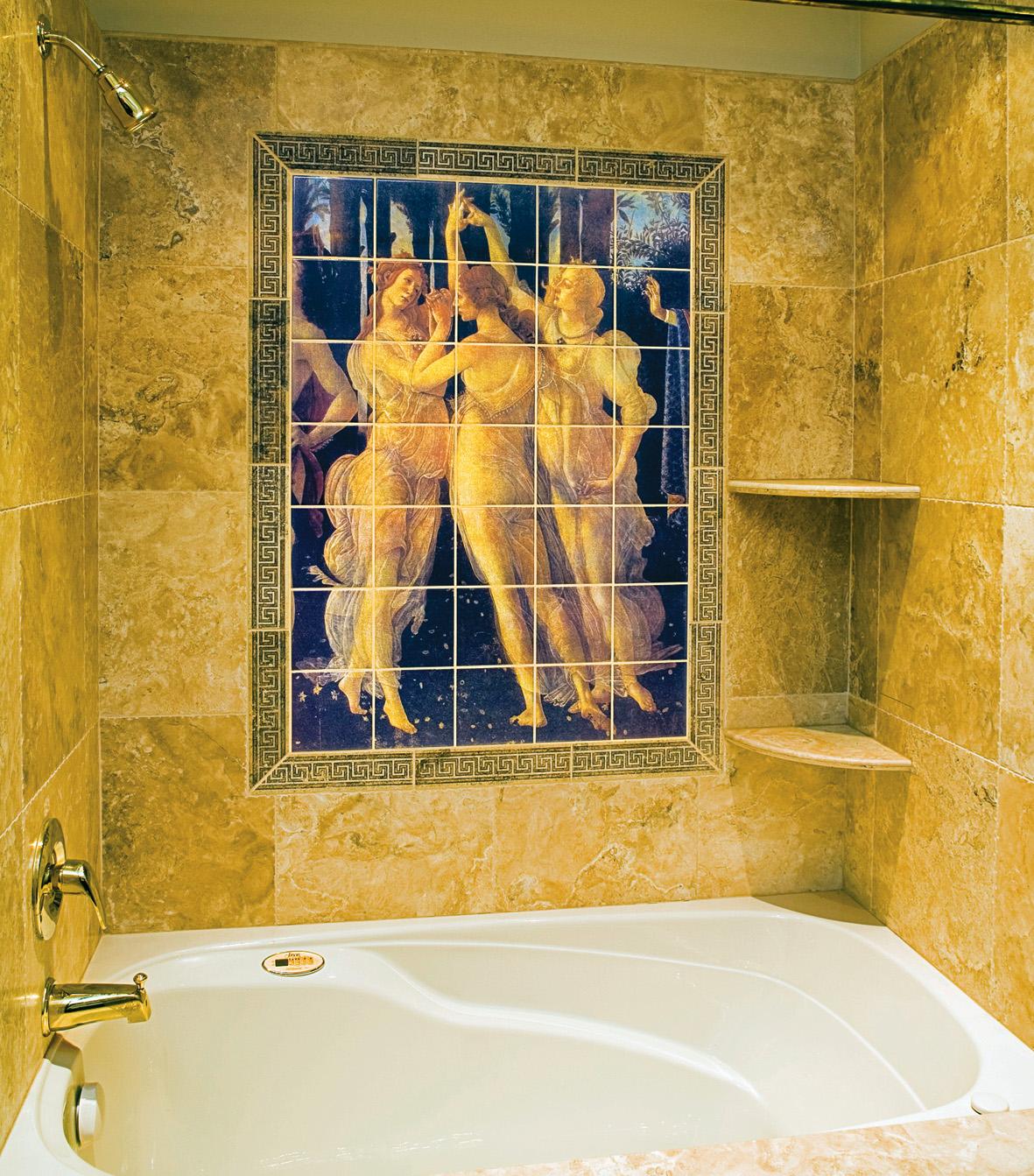
Explore our extensive collection of tile murals featuring breathtaking scenes and patterns, ranging from whimsical landscapes to intricate designs. Available in various sizes and styles, our tile murals cater to every taste and budget, adding a touch of sophistication to any environment.
Transform your pool into a haven of elegance with our waterline pool tiles, meticulously designed to complement any pool style. Built to withstand the test of time, these beautiful tiles promise enduring excellence and timeless beauty.
Add a touch of refinement to your surroundings with our painted tiles, perfect for creating decorative borders or stunning tile murals. From intricate patterns to captivating designs, our decorative tiles infuse charm and personality into your home.
At Balian Hand Painted Tiles, we are committed to providing you with the finest hand-painted tiles, tile murals, waterline pool tiles, and decorative tiles. Witness the beauty and craftsmanship of our products by shopping with us.
Experience the artistic flair of hand-painted, handcrafted tiles and tile murals from the Balian tile art studio. Enhance your bathroom, kitchen, and pool design concepts with our extensive range of animal motifs, geometric patterns, and bespoke tiles. Find the perfect tile to complement your unique design.
Our Tile Art and Tile Design Projects Gallery
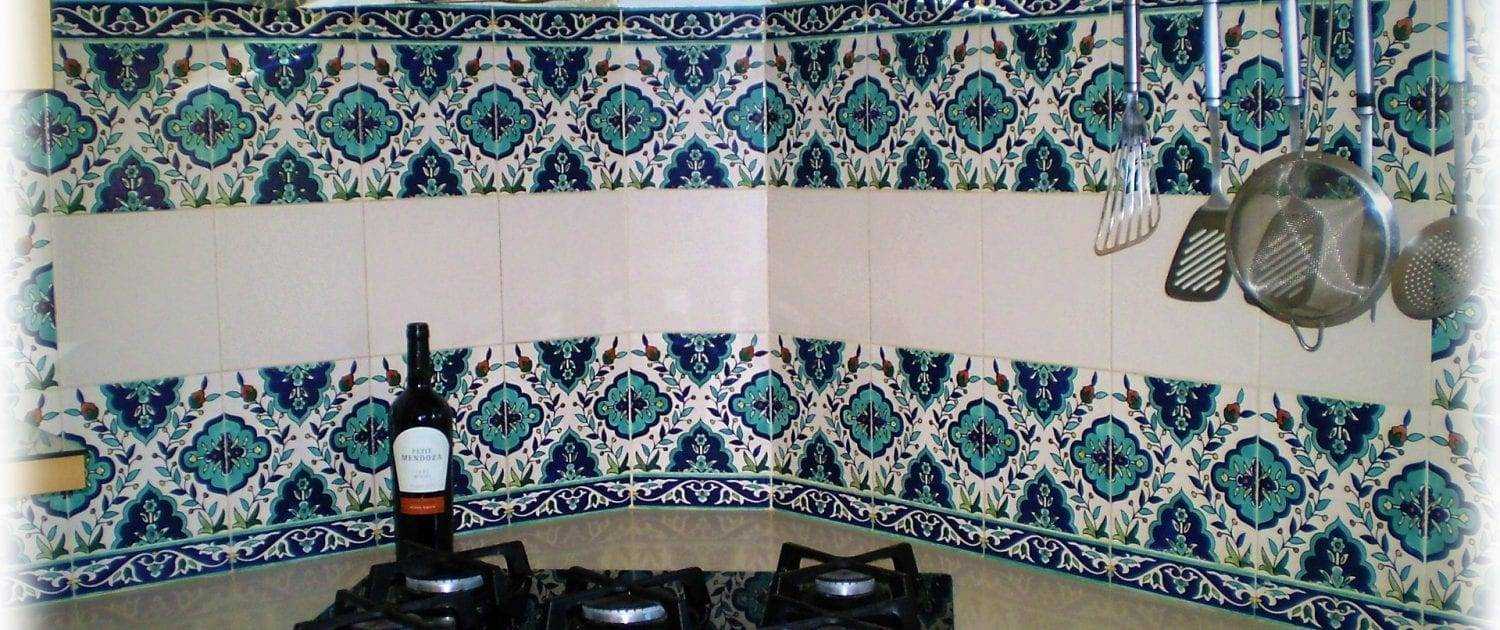
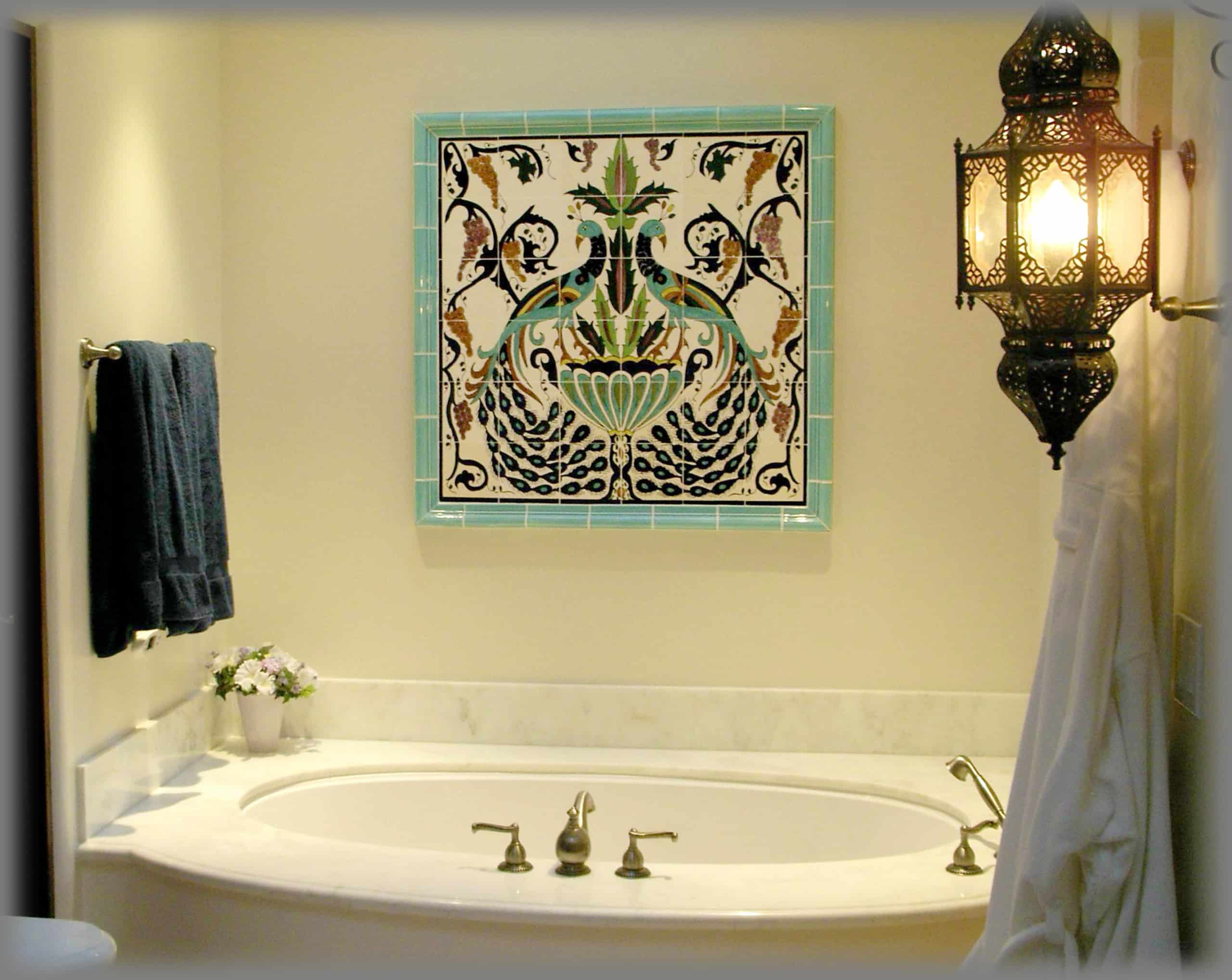
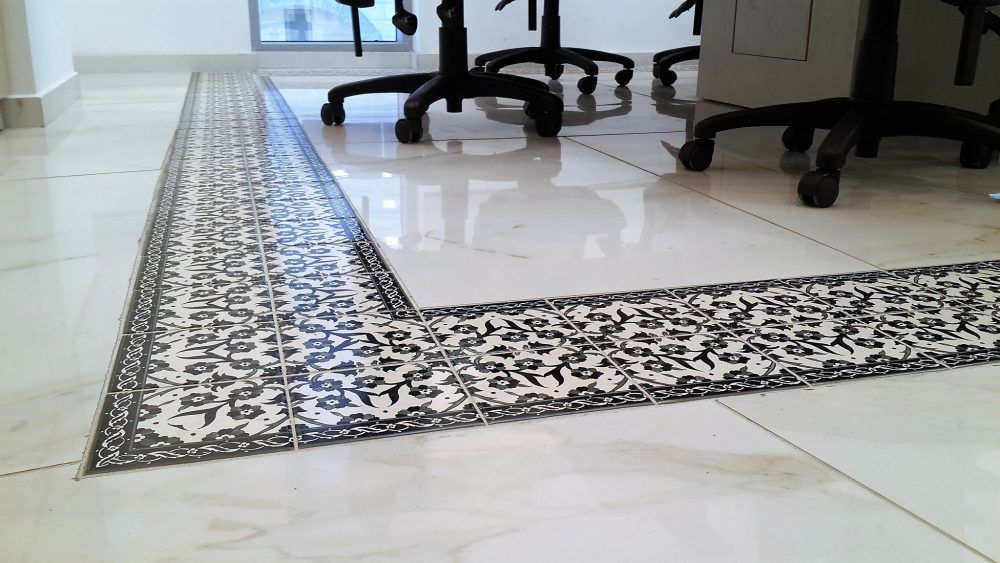
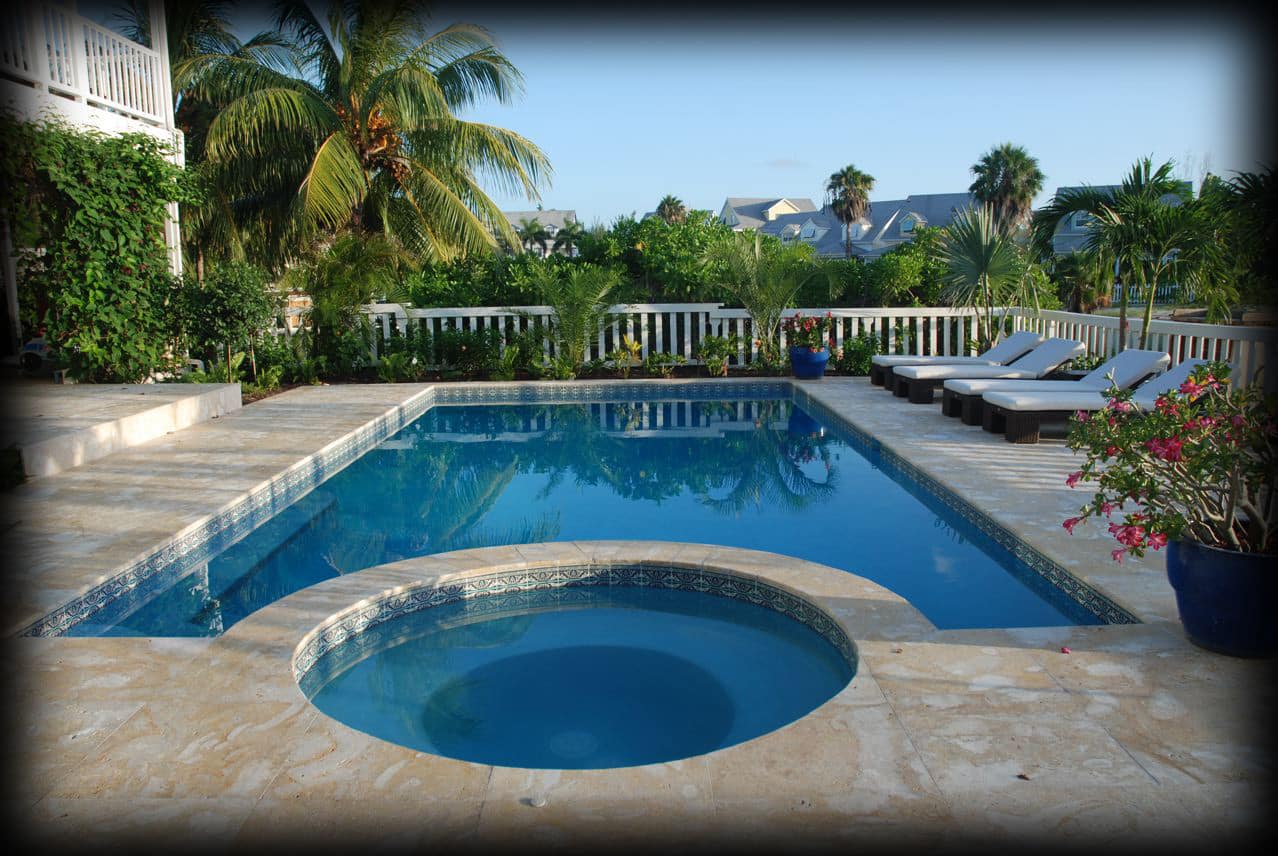

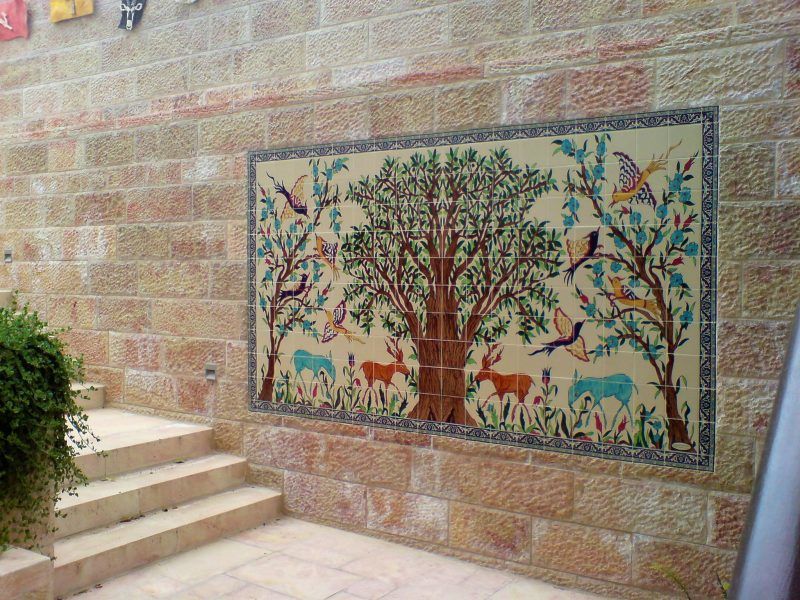
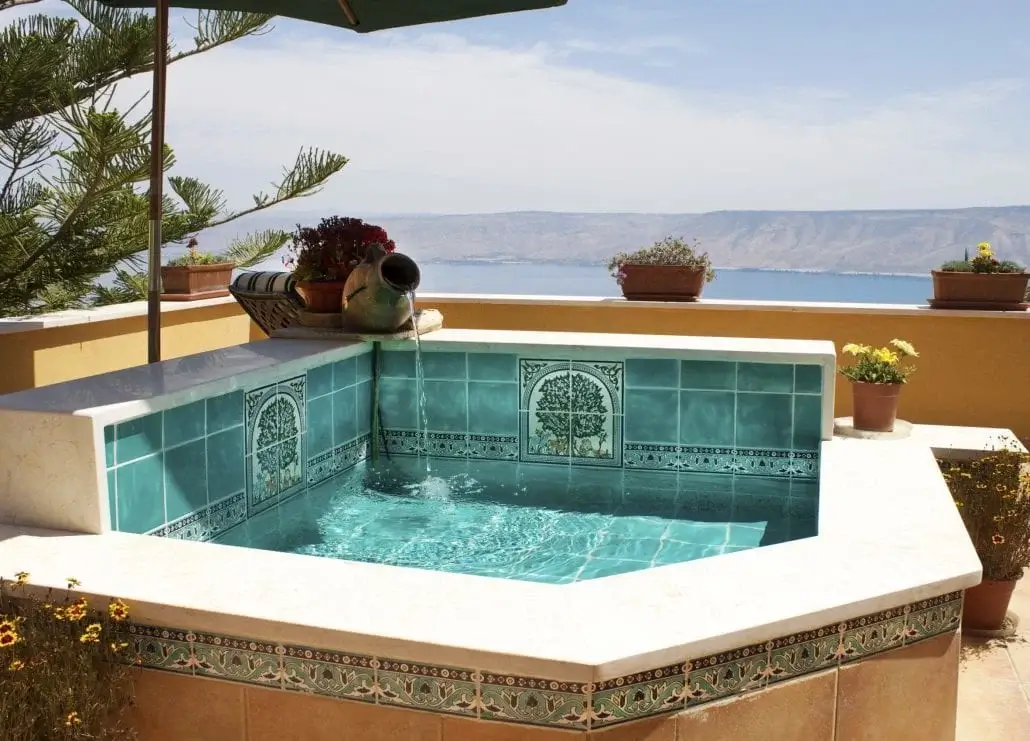
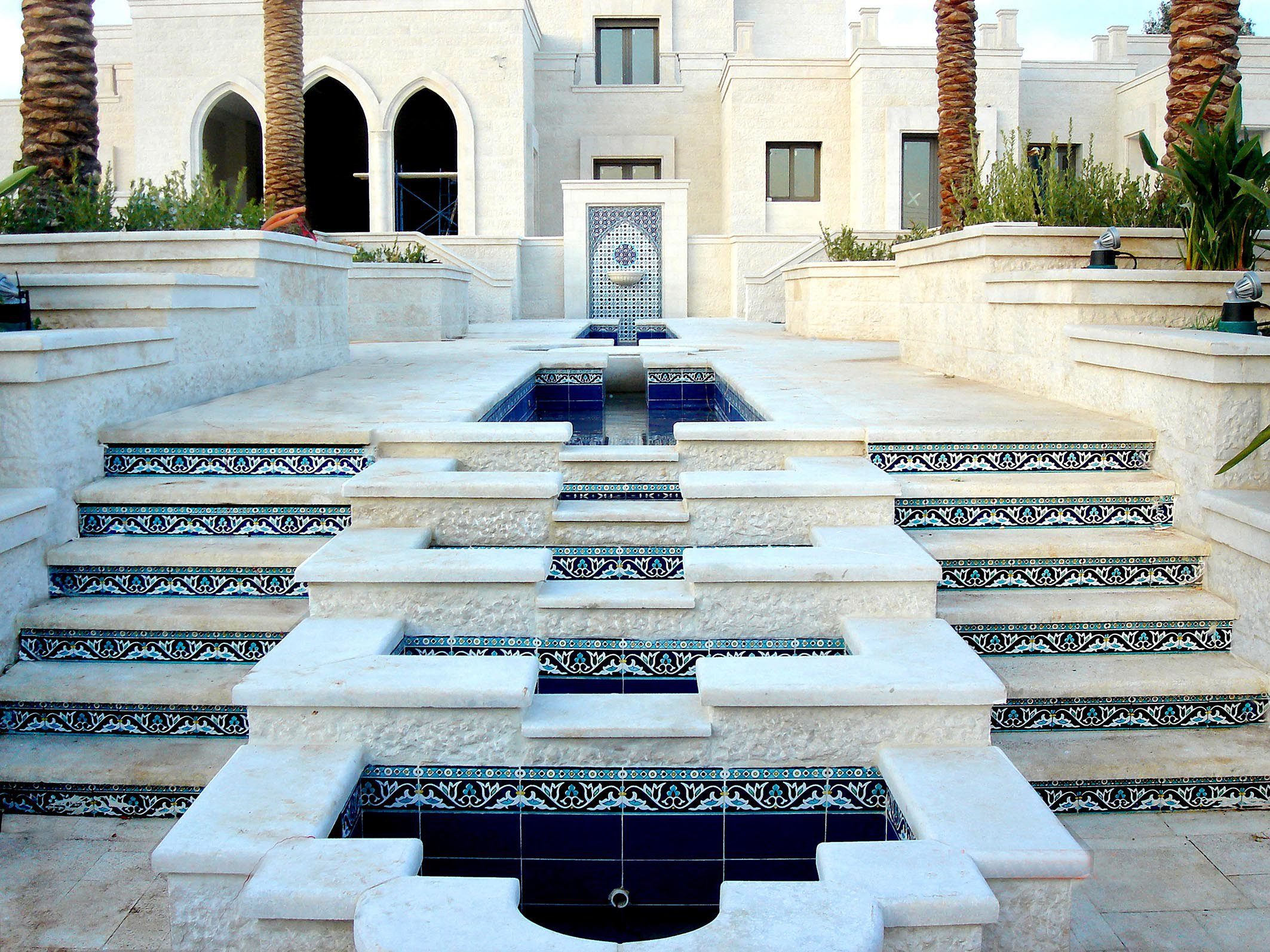

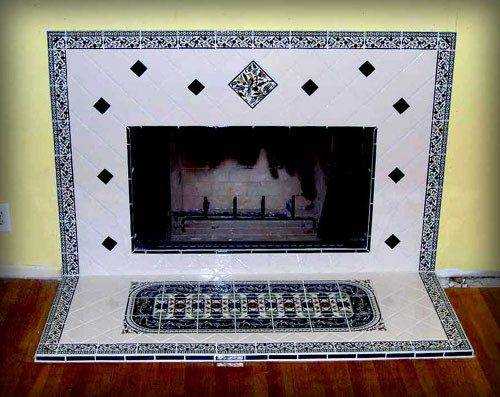
Since 1922, the Balian studio has been manufacturing hand-painted tiles, ornamental accent tiles , tile murals, and decorative tiles. These products can be found in both residential and commercial settings. In addition to the regular tile art and tile designs that are featured on our website, we also specialize in creating artistic tile paintings and tile art designs that are unique to the customer. We collaborate closely with homeowners, interior designers, and architects to fulfill all of their tile design requirements, whether it be for tiles to be installed in bathrooms, kitchen tile backsplashes , or waterline swimming pool liners.
Although the majority of our decorative tiles are on 15×15 cm tiles, we are able to adjust the size of the tiles to border tiles, subway tiles, and virtually any other tile size up to 30×30 cm tiles for hand painted tile patterns. In addition, the Balian tile studio is an expert in the relatively new field of digital ceramic, which enables any tile pattern to be created.